Buy 414.eu ?
We are moving the project
414.eu .
Are you interested in purchasing the domain
414.eu ?
domain@kv-gmbh.de · 0541-91531010
Buy 414.eu ?
What is the difference between Economies of Scale and Economies of Scope?
Economies of scale refer to the cost advantages that a business can achieve as it increases its level of production. This can result from factors such as spreading fixed costs over a larger output, bulk purchasing discounts, and more efficient use of resources. On the other hand, economies of scope refer to the cost advantages that arise from producing a variety of products or services together, rather than just one. This can result from shared resources, such as marketing and distribution channels, as well as the ability to leverage a company's core competencies across multiple products or services. **
What are the Tiger economies?
The Tiger economies refer to the highly developed and industrialized economies of East Asia, including South Korea, Taiwan, Singapore, and Hong Kong. These countries experienced rapid economic growth and industrialization in the latter half of the 20th century, transforming from agrarian-based economies to industrial powerhouses. The term "Tiger economies" is derived from the "Four Asian Tigers," which originally referred to South Korea, Taiwan, Singapore, and Hong Kong, but has since been expanded to include other rapidly developing economies in the region. These countries are known for their export-oriented growth strategies, strong manufacturing sectors, and high levels of technological innovation. **


Similar search terms for Economies
Top-Angebote
Products related to Economies:
-
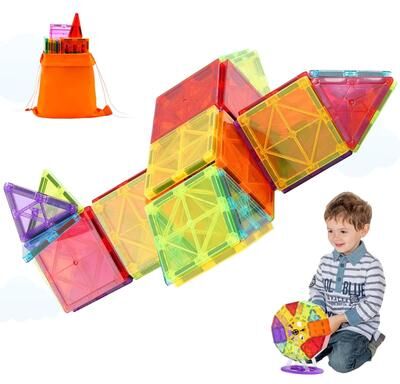
Uplifted Finds 121PCS Magnetic Building Blocks Set Montessori Construction Puzzle Tiles 121PCS Magnetic Building Blocks Set Montessori Construction Puzzle TilesCommand ultimate pediatric confidence with the MagnetoKinetic Structural System, a highperformance architectural solution specifically engineered to act as a comprehensive tool for elite organization and superior technical ergonomics. Built with a...146,97 $*Shipping: 0,00 $Secure redirect to the provider
-
Market Central Space Station Building Blocks Transparent Globe STEM Construction Toy For Kids Space Station Building Blocks Transparent Globe STEM Construction Toy For KidsBuild a miniature world of exploration with space station building blocks designed to turn handson play into an exciting creative challenge. This futuristic transparent globe building set lets young builders assemble a detailed orbital station that...129,97 $*Shipping: 0,00 $Secure redirect to the provider
-
Market Central Transparent Globe Space Station Building Blocks STEM Construction Toy For Kids Transparent Globe Space Station Building Blocks STEM Construction Toy For KidsTurn building time into an exciting journey through space with these space station building blocks. This futuristic transparent globe building set lets young builders create a detailed orbital station that can be viewed from multiple angles. Its...159,97 $*Shipping: 0,00 $Secure redirect to the provider
-
Useful Little Things Pipe Building Blocks Construction Set 100 PcsInspire creativity, problem solving, and hands on learning with the Pipe Building Blocks Construction Set. Designed for young builders, this educational playset features colorful pipe connectors and building pieces that allow children to create...44,97 $*Shipping: 0,00 $Secure redirect to the provider


-
Are the Tiger economies emerging markets?
Yes, the Tiger economies are considered emerging markets. The term "Tiger economies" refers to the rapidly growing economies of South Korea, Taiwan, Singapore, and Hong Kong. These countries have experienced rapid industrialization, export-led growth, and technological advancement, leading to significant economic development. While they have made great strides in their economic growth, they are still considered emerging markets due to their ongoing development and potential for further growth and expansion. **
-
What are the similarities between planned and market economies?
Both planned and market economies aim to allocate resources efficiently to meet the needs of the society. Both systems involve the production and distribution of goods and services to fulfill demand. Additionally, both systems involve some level of government intervention, with planned economies having more centralized control and market economies having more decentralized decision-making. Both systems also aim to achieve economic growth and improve the standard of living for their citizens. **
-
What is the difference between emerging economies and developing countries?
Emerging economies refer to countries that are experiencing rapid industrialization and growth, often transitioning from a low-income to a middle-income status. Developing countries, on the other hand, are nations that are still in the early stages of economic development, with lower levels of income, infrastructure, and industrialization. While all emerging economies are developing countries, not all developing countries are considered emerging economies. Emerging economies typically have higher growth rates and more advanced industries compared to developing countries. **
-
Can the economies of Sweden and China be easily compared?
The economies of Sweden and China cannot be easily compared due to their significant differences in size, structure, and development. Sweden has a small, open, and highly developed economy with a focus on innovation, technology, and high-value exports. On the other hand, China has a large, diverse, and rapidly growing economy with a focus on manufacturing, infrastructure development, and export-led growth. Additionally, Sweden has a strong welfare state and high levels of income equality, while China has a more diverse income distribution and a different approach to social welfare. Overall, the differences in size, structure, and development make it challenging to directly compare the economies of Sweden and China. **

What is the difference between developing countries and emerging economies?
Developing countries and emerging economies are often used interchangeably, but there is a subtle difference between the two. Developing countries typically refer to nations with low levels of industrialization, low per capita income, and high poverty rates. On the other hand, emerging economies are countries that are experiencing rapid economic growth, industrialization, and modernization, and are moving towards becoming developed nations. Emerging economies often have higher levels of foreign direct investment, infrastructure development, and technological advancement compared to developing countries. **
What are the advantages and disadvantages of barter and monetary economies?
Barter economies allow for the direct exchange of goods and services without the need for a common medium of exchange, which can be advantageous in a situation where there is a lack of currency or a stable monetary system. However, barter economies can be inefficient and time-consuming, as finding someone who has what you need and also wants what you have can be challenging. On the other hand, monetary economies provide a widely accepted medium of exchange, making transactions more convenient and efficient. However, they can also lead to issues such as inflation, economic inequality, and the potential for financial crises. **
Top-Angebote
Products related to Economies:
-
Tools, Home & Hobby Magnetic Building Blocks 100 PCS Zombie Cemetery Set STEM Construction Toy For Kids Magnetic Building Blocks 100 PCS Zombie Cemetery Set STEM Construction Toy For KidsBring imagination to life with a fun building experience that inspires creativity, learning, and endless storytelling. The VEVOR Magnetic Building Blocks 100 PCS Zombie Cemetery Set is designed for kids who love creating unique structures,...59,97 $*Shipping: 0,00 $Secure redirect to the provider
-
Tools, Home & Hobby Glow In The Dark Fort Building Kit For Kids 140PCS STEM Construction Toy Glow In The Dark Fort Building Kit For Kids 140PCS STEM Construction ToySpark your childs imagination with a fort building kit for kids designed to turn everyday playtime into a creative adventure. This 140piece STEM construction toy includes colorful rods and connecting balls that let children build forts, tents,...99,97 $*Shipping: 0,00 $Secure redirect to the provider
-
Uplifted Finds 121PCS Magnetic Building Blocks Set Montessori Construction Puzzle Tiles 121PCS Magnetic Building Blocks Set Montessori Construction Puzzle TilesCommand ultimate pediatric confidence with the MagnetoKinetic Structural System, a highperformance architectural solution specifically engineered to act as a comprehensive tool for elite organization and superior technical ergonomics. Built with a...146,97 $*Shipping: 0,00 $Secure redirect to the provider
-
Market Central Space Station Building Blocks Transparent Globe STEM Construction Toy For Kids Space Station Building Blocks Transparent Globe STEM Construction Toy For KidsBuild a miniature world of exploration with space station building blocks designed to turn handson play into an exciting creative challenge. This futuristic transparent globe building set lets young builders assemble a detailed orbital station that...129,97 $*Shipping: 0,00 $Secure redirect to the provider
-
What is the difference between Economies of Scale and Economies of Scope?
Economies of scale refer to the cost advantages that a business can achieve as it increases its level of production. This can result from factors such as spreading fixed costs over a larger output, bulk purchasing discounts, and more efficient use of resources. On the other hand, economies of scope refer to the cost advantages that arise from producing a variety of products or services together, rather than just one. This can result from shared resources, such as marketing and distribution channels, as well as the ability to leverage a company's core competencies across multiple products or services. **
-
What are the Tiger economies?
The Tiger economies refer to the highly developed and industrialized economies of East Asia, including South Korea, Taiwan, Singapore, and Hong Kong. These countries experienced rapid economic growth and industrialization in the latter half of the 20th century, transforming from agrarian-based economies to industrial powerhouses. The term "Tiger economies" is derived from the "Four Asian Tigers," which originally referred to South Korea, Taiwan, Singapore, and Hong Kong, but has since been expanded to include other rapidly developing economies in the region. These countries are known for their export-oriented growth strategies, strong manufacturing sectors, and high levels of technological innovation. **
-
Are the Tiger economies emerging markets?
Yes, the Tiger economies are considered emerging markets. The term "Tiger economies" refers to the rapidly growing economies of South Korea, Taiwan, Singapore, and Hong Kong. These countries have experienced rapid industrialization, export-led growth, and technological advancement, leading to significant economic development. While they have made great strides in their economic growth, they are still considered emerging markets due to their ongoing development and potential for further growth and expansion. **
-
What are the similarities between planned and market economies?
Both planned and market economies aim to allocate resources efficiently to meet the needs of the society. Both systems involve the production and distribution of goods and services to fulfill demand. Additionally, both systems involve some level of government intervention, with planned economies having more centralized control and market economies having more decentralized decision-making. Both systems also aim to achieve economic growth and improve the standard of living for their citizens. **
Similar search terms for Economies
-
Market Central Transparent Globe Space Station Building Blocks STEM Construction Toy For Kids Transparent Globe Space Station Building Blocks STEM Construction Toy For KidsTurn building time into an exciting journey through space with these space station building blocks. This futuristic transparent globe building set lets young builders create a detailed orbital station that can be viewed from multiple angles. Its...159,97 $*Shipping: 0,00 $Secure redirect to the provider
-
Useful Little Things Pipe Building Blocks Construction Set 100 PcsInspire creativity, problem solving, and hands on learning with the Pipe Building Blocks Construction Set. Designed for young builders, this educational playset features colorful pipe connectors and building pieces that allow children to create...44,97 $*Shipping: 0,00 $Secure redirect to the provider
-
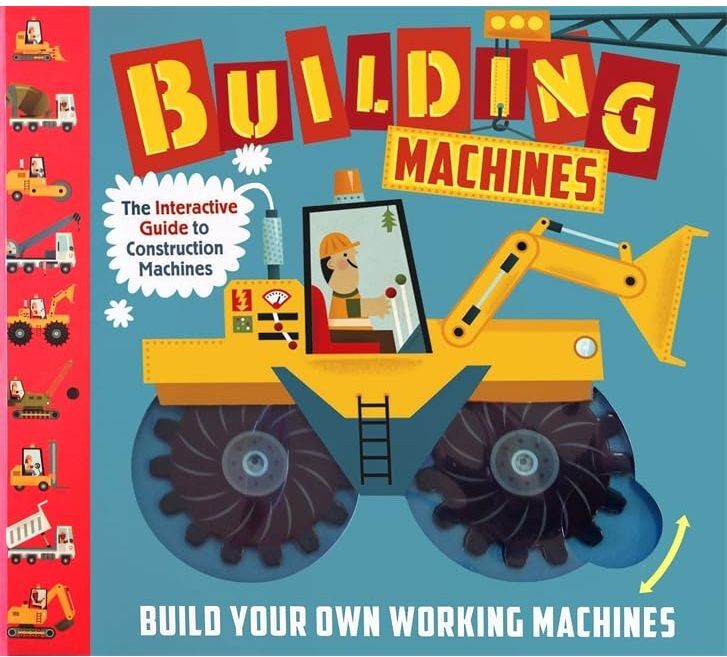
Templar Publishing Building Machines: The Interactive Guide to Construction MachinesThis book combines fact-filled spreads with an interactive building element. Colourful, humorous illustrations explain the mechanics behind each vehicle and their role on a construction site. Then, using a pegboard and over 50 pre-cut parts, budding young engineers can create mini models of these real machines - from bulldozers and dump trucks to cranes and road rollers.8,99 £*Shipping: 2,99 £Secure redirect to the provider
-
Perfect Picks Market Large House Building Blocks Construction Set For Kids Creative Educational Building Toys 48pcsCreate a world of imagination and creativity with these large building blocks designed for curious young minds. This interactive construction set lets children build houses, structures, and creative designs while strengthening problemsolving skills....29,97 $*Shipping: 0,00 $Secure redirect to the provider
-
What is the difference between emerging economies and developing countries?
Emerging economies refer to countries that are experiencing rapid industrialization and growth, often transitioning from a low-income to a middle-income status. Developing countries, on the other hand, are nations that are still in the early stages of economic development, with lower levels of income, infrastructure, and industrialization. While all emerging economies are developing countries, not all developing countries are considered emerging economies. Emerging economies typically have higher growth rates and more advanced industries compared to developing countries. **
-
Can the economies of Sweden and China be easily compared?
The economies of Sweden and China cannot be easily compared due to their significant differences in size, structure, and development. Sweden has a small, open, and highly developed economy with a focus on innovation, technology, and high-value exports. On the other hand, China has a large, diverse, and rapidly growing economy with a focus on manufacturing, infrastructure development, and export-led growth. Additionally, Sweden has a strong welfare state and high levels of income equality, while China has a more diverse income distribution and a different approach to social welfare. Overall, the differences in size, structure, and development make it challenging to directly compare the economies of Sweden and China. **
-
What is the difference between developing countries and emerging economies?
Developing countries and emerging economies are often used interchangeably, but there is a subtle difference between the two. Developing countries typically refer to nations with low levels of industrialization, low per capita income, and high poverty rates. On the other hand, emerging economies are countries that are experiencing rapid economic growth, industrialization, and modernization, and are moving towards becoming developed nations. Emerging economies often have higher levels of foreign direct investment, infrastructure development, and technological advancement compared to developing countries. **
-
What are the advantages and disadvantages of barter and monetary economies?
Barter economies allow for the direct exchange of goods and services without the need for a common medium of exchange, which can be advantageous in a situation where there is a lack of currency or a stable monetary system. However, barter economies can be inefficient and time-consuming, as finding someone who has what you need and also wants what you have can be challenging. On the other hand, monetary economies provide a widely accepted medium of exchange, making transactions more convenient and efficient. However, they can also lead to issues such as inflation, economic inequality, and the potential for financial crises. **
* All prices are inclusive of VAT and, if applicable, plus shipping costs. The offer information is based on the details provided by the respective shop and is updated through automated processes. Real-time updates do not occur, so deviations can occur in individual cases. ** Note: Parts of this content were created by AI.