Buy 414.eu ?
We are moving the project
414.eu .
Are you interested in purchasing the domain
414.eu ?
domain@kv-gmbh.de · 0541-91531010
Buy 414.eu ?
Who were the pharaohs?
The pharaohs were the rulers of ancient Egypt, considered to be both the political and religious leaders of the civilization. They were believed to be divine figures, with the responsibility of maintaining order and harmony in the kingdom. The pharaohs were often buried in elaborate tombs, such as the famous pyramids, and were surrounded by wealth and treasures to accompany them in the afterlife. The pharaohs held absolute power and were seen as the intermediaries between the gods and the people. **
How did the pharaohs rule?
The pharaohs ruled ancient Egypt as both political and religious leaders. They were believed to be the intermediaries between the gods and the people, and their rule was considered to be divinely ordained. The pharaohs had absolute power and authority over the land, and they controlled the administration, economy, and military. They also oversaw the construction of monumental structures and the organization of religious ceremonies. The pharaohs were seen as the ultimate authority and were revered as living gods by the Egyptian people. **


Similar search terms for Pharaohs
Top-Angebote
Products related to Pharaohs:
-
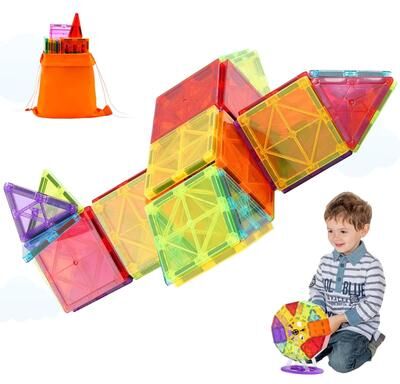
Uplifted Finds 121PCS Magnetic Building Blocks Set Montessori Construction Puzzle Tiles 121PCS Magnetic Building Blocks Set Montessori Construction Puzzle TilesCommand ultimate pediatric confidence with the MagnetoKinetic Structural System, a highperformance architectural solution specifically engineered to act as a comprehensive tool for elite organization and superior technical ergonomics. Built with a...146,97 $*Shipping: 0,00 $Secure redirect to the provider
-
Market Central Transparent Globe Space Station Building Blocks STEM Construction Toy For Kids Transparent Globe Space Station Building Blocks STEM Construction Toy For KidsTurn building time into an exciting journey through space with these space station building blocks. This futuristic transparent globe building set lets young builders create a detailed orbital station that can be viewed from multiple angles. Its...159,97 $*Shipping: 0,00 $Secure redirect to the provider
-
Market Central Space Station Building Blocks Transparent Globe STEM Construction Toy For Kids Space Station Building Blocks Transparent Globe STEM Construction Toy For KidsBuild a miniature world of exploration with space station building blocks designed to turn handson play into an exciting creative challenge. This futuristic transparent globe building set lets young builders assemble a detailed orbital station that...129,97 $*Shipping: 0,00 $Secure redirect to the provider
-
Useful Little Things Pipe Building Blocks Construction Set 100 PcsInspire creativity, problem solving, and hands on learning with the Pipe Building Blocks Construction Set. Designed for young builders, this educational playset features colorful pipe connectors and building pieces that allow children to create...44,97 $*Shipping: 0,00 $Secure redirect to the provider


-
Why are there no more pharaohs?
There are no more pharaohs because the title of pharaoh was specific to ancient Egypt and its unique system of government. The pharaohs ruled as both political and religious leaders, and their authority was deeply tied to the Egyptian belief in divine kingship. After the fall of the Egyptian civilization and the transition to different forms of governance, the role of the pharaoh became obsolete. Today, Egypt is a republic with a president as the head of state, marking the end of the pharaohs' reign. **
-
Does anyone know anything about pharaohs?
Pharaohs were the rulers of ancient Egypt, considered to be both political and religious leaders. They were believed to be the earthly embodiment of the god Horus and were responsible for maintaining order and harmony in the kingdom. Pharaohs were often buried in elaborate tombs, such as the famous pyramids, and were surrounded by treasures and items they would need in the afterlife. Some of the most well-known pharaohs include Tutankhamun, Ramses II, and Cleopatra. **
-
Who believes in the existence of pharaohs?
Many historians, archaeologists, and scholars believe in the existence of pharaohs. This belief is based on extensive archaeological evidence, including the discovery of pharaohs' tombs, temples, and inscriptions. Additionally, ancient texts and records from Egypt also provide detailed accounts of the lives and reigns of various pharaohs. Overall, the existence of pharaohs is widely accepted within the academic and archaeological communities. **
-
Were the wives of pharaohs killed when he died?
No, the wives of pharaohs were not typically killed when the pharaoh died. In ancient Egypt, it was common for the pharaoh's wives to continue living after his death. They would often play a role in the succession of the next pharaoh, and some even held positions of power and influence in their own right. While there are some instances of queens being buried with their pharaohs, it was not a widespread practice. **

Were there slaves during the time of the pharaohs?
Yes, there were slaves during the time of the pharaohs in ancient Egypt. Slaves were often captured as prisoners of war or were individuals who were unable to pay off their debts. They were used for various tasks such as building monuments, working in the fields, and serving in households. Slavery was an integral part of the ancient Egyptian economy and society. **
Does the British royal family descend from the Pharaohs?
There is no credible evidence to support the claim that the British royal family descends from the Pharaohs of ancient Egypt. The British royal family's lineage can be traced back to various European royal houses, such as the House of Hanover and the House of Windsor, rather than to ancient Egyptian royalty. While there may be some distant connections between European royal families and ancient Egyptian rulers through intermarriage and genealogy, the idea of a direct descent from the Pharaohs is not supported by historical evidence. **
Top-Angebote
Products related to Pharaohs:
-
Tools, Home & Hobby Magnetic Building Blocks 100 PCS Zombie Cemetery Set STEM Construction Toy For Kids Magnetic Building Blocks 100 PCS Zombie Cemetery Set STEM Construction Toy For KidsBring imagination to life with a fun building experience that inspires creativity, learning, and endless storytelling. The VEVOR Magnetic Building Blocks 100 PCS Zombie Cemetery Set is designed for kids who love creating unique structures,...59,97 $*Shipping: 0,00 $Secure redirect to the provider
-
Tools, Home & Hobby Glow In The Dark Fort Building Kit For Kids 140PCS STEM Construction Toy Glow In The Dark Fort Building Kit For Kids 140PCS STEM Construction ToySpark your childs imagination with a fort building kit for kids designed to turn everyday playtime into a creative adventure. This 140piece STEM construction toy includes colorful rods and connecting balls that let children build forts, tents,...99,97 $*Shipping: 0,00 $Secure redirect to the provider
-
Uplifted Finds 121PCS Magnetic Building Blocks Set Montessori Construction Puzzle Tiles 121PCS Magnetic Building Blocks Set Montessori Construction Puzzle TilesCommand ultimate pediatric confidence with the MagnetoKinetic Structural System, a highperformance architectural solution specifically engineered to act as a comprehensive tool for elite organization and superior technical ergonomics. Built with a...146,97 $*Shipping: 0,00 $Secure redirect to the provider
-
Market Central Transparent Globe Space Station Building Blocks STEM Construction Toy For Kids Transparent Globe Space Station Building Blocks STEM Construction Toy For KidsTurn building time into an exciting journey through space with these space station building blocks. This futuristic transparent globe building set lets young builders create a detailed orbital station that can be viewed from multiple angles. Its...159,97 $*Shipping: 0,00 $Secure redirect to the provider
-
Who were the pharaohs?
The pharaohs were the rulers of ancient Egypt, considered to be both the political and religious leaders of the civilization. They were believed to be divine figures, with the responsibility of maintaining order and harmony in the kingdom. The pharaohs were often buried in elaborate tombs, such as the famous pyramids, and were surrounded by wealth and treasures to accompany them in the afterlife. The pharaohs held absolute power and were seen as the intermediaries between the gods and the people. **
-
How did the pharaohs rule?
The pharaohs ruled ancient Egypt as both political and religious leaders. They were believed to be the intermediaries between the gods and the people, and their rule was considered to be divinely ordained. The pharaohs had absolute power and authority over the land, and they controlled the administration, economy, and military. They also oversaw the construction of monumental structures and the organization of religious ceremonies. The pharaohs were seen as the ultimate authority and were revered as living gods by the Egyptian people. **
-
Why are there no more pharaohs?
There are no more pharaohs because the title of pharaoh was specific to ancient Egypt and its unique system of government. The pharaohs ruled as both political and religious leaders, and their authority was deeply tied to the Egyptian belief in divine kingship. After the fall of the Egyptian civilization and the transition to different forms of governance, the role of the pharaoh became obsolete. Today, Egypt is a republic with a president as the head of state, marking the end of the pharaohs' reign. **
-
Does anyone know anything about pharaohs?
Pharaohs were the rulers of ancient Egypt, considered to be both political and religious leaders. They were believed to be the earthly embodiment of the god Horus and were responsible for maintaining order and harmony in the kingdom. Pharaohs were often buried in elaborate tombs, such as the famous pyramids, and were surrounded by treasures and items they would need in the afterlife. Some of the most well-known pharaohs include Tutankhamun, Ramses II, and Cleopatra. **
Similar search terms for Pharaohs
-
Market Central Space Station Building Blocks Transparent Globe STEM Construction Toy For Kids Space Station Building Blocks Transparent Globe STEM Construction Toy For KidsBuild a miniature world of exploration with space station building blocks designed to turn handson play into an exciting creative challenge. This futuristic transparent globe building set lets young builders assemble a detailed orbital station that...129,97 $*Shipping: 0,00 $Secure redirect to the provider
-
Useful Little Things Pipe Building Blocks Construction Set 100 PcsInspire creativity, problem solving, and hands on learning with the Pipe Building Blocks Construction Set. Designed for young builders, this educational playset features colorful pipe connectors and building pieces that allow children to create...44,97 $*Shipping: 0,00 $Secure redirect to the provider
-
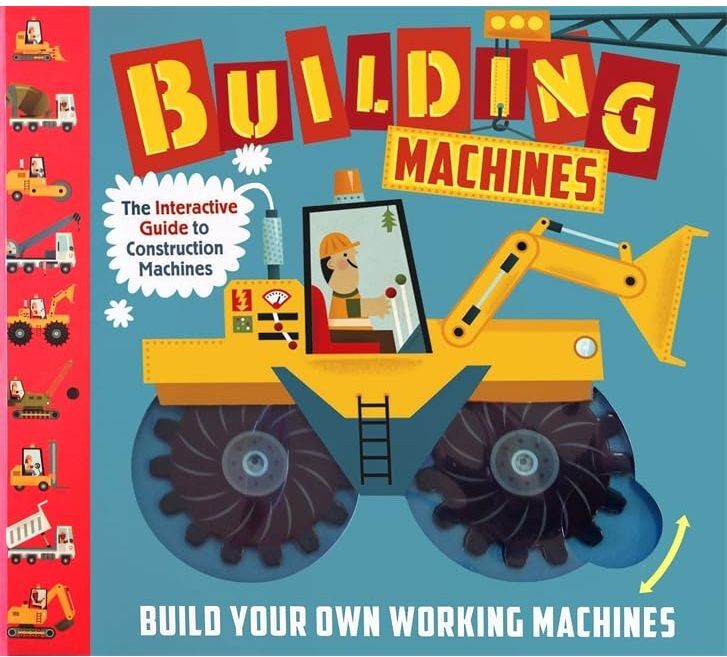
Templar Publishing Building Machines: The Interactive Guide to Construction MachinesThis book combines fact-filled spreads with an interactive building element. Colourful, humorous illustrations explain the mechanics behind each vehicle and their role on a construction site. Then, using a pegboard and over 50 pre-cut parts, budding young engineers can create mini models of these real machines - from bulldozers and dump trucks to cranes and road rollers.8,99 £*Shipping: 2,99 £Secure redirect to the provider
-
Perfect Picks Market Large House Building Blocks Construction Set For Kids Creative Educational Building Toys 72pcsCreate a world of imagination and creativity with these large building blocks designed for curious young minds. This interactive construction set lets children build houses, structures, and creative designs while strengthening problemsolving skills....39,97 $*Shipping: 0,00 $Secure redirect to the provider
-
Who believes in the existence of pharaohs?
Many historians, archaeologists, and scholars believe in the existence of pharaohs. This belief is based on extensive archaeological evidence, including the discovery of pharaohs' tombs, temples, and inscriptions. Additionally, ancient texts and records from Egypt also provide detailed accounts of the lives and reigns of various pharaohs. Overall, the existence of pharaohs is widely accepted within the academic and archaeological communities. **
-
Were the wives of pharaohs killed when he died?
No, the wives of pharaohs were not typically killed when the pharaoh died. In ancient Egypt, it was common for the pharaoh's wives to continue living after his death. They would often play a role in the succession of the next pharaoh, and some even held positions of power and influence in their own right. While there are some instances of queens being buried with their pharaohs, it was not a widespread practice. **
-
Were there slaves during the time of the pharaohs?
Yes, there were slaves during the time of the pharaohs in ancient Egypt. Slaves were often captured as prisoners of war or were individuals who were unable to pay off their debts. They were used for various tasks such as building monuments, working in the fields, and serving in households. Slavery was an integral part of the ancient Egyptian economy and society. **
-
Does the British royal family descend from the Pharaohs?
There is no credible evidence to support the claim that the British royal family descends from the Pharaohs of ancient Egypt. The British royal family's lineage can be traced back to various European royal houses, such as the House of Hanover and the House of Windsor, rather than to ancient Egyptian royalty. While there may be some distant connections between European royal families and ancient Egyptian rulers through intermarriage and genealogy, the idea of a direct descent from the Pharaohs is not supported by historical evidence. **
* All prices are inclusive of VAT and, if applicable, plus shipping costs. The offer information is based on the details provided by the respective shop and is updated through automated processes. Real-time updates do not occur, so deviations can occur in individual cases. ** Note: Parts of this content were created by AI.